
A whole house repipe replaces the fresh water lines that feed your fixtures. That means the main runs through the house, every branch line, and the connections at each sink, shower, tub, and toilet. It does not touch the pipes that carry wastewater away.
Put simply, it is a water supply line replacement, not a drain replacement. That distinction matters, because it changes what problem a repipe can solve.

New hot and cold supply lines throughout the home
New fixture connections and angle stops under sinks and toilets
New water heater connections, including a tankless water heater if you have one
A new hose bib connection outside
Pressure testing new pipes before any wall is closed back up

Your drain line and sewer line, which carry wastewater. Slow drains and backups are a separate job. See our drain line services and sewer line services.
Your gas piping. That is covered under our gas and propane services.
The water service line running from the city water main and water meter to your house. We can replace that line, but we usually quote it separately from a home plumbing replacement inside the walls.

You likely need repiping when leaks keep returning in different places, water pressure drops across the whole house, or the water looks rusty. One bad section is a repair. The same failures in several rooms usually mean the system itself is worn out.
Two or more of these together is a good reason to book a plumbing inspection. Small problems hide for a long time. EPA reports that the average household’s leaks waste more than 9,300 gallons of water each year, and that about nine percent of homes have leaks wasting 50 gallons or more per day (EPA WaterSense). A hidden water leak inside a wall can run for months before anyone sees it.
The year your home was built is the best first clue about your pipe material. Houston grew in waves, and each wave used the standard material of the time. City of Houston planning data on year structure built shows entire neighborhoods where most homes date to the 1950s through the 1970s.
Here is what our plumbers usually find, and where you can go look yourself.
Galvanized steel pipe is steel coated with zinc. The coating wears away from the inside, and rust builds up in its place. The pipe slowly closes off while the outside still looks fine.
That is why these homes can have low water pressure and rust-colored water at the same time. EPA also notes that lead particles can attach to the inside surface of galvanized pipe and later enter drinking water.
Where to look: exposed pipe near the water heater or at the main shut-off valve. Galvanized looks like dull gray metal with threaded joints.
Copper piping is durable, but the joints matter. EPA reports that solder made or installed before 1986 contained high lead levels. The Safe Drinking Water Act was amended in 1986 to limit lead in pipes, lead solder, and fittings. Older brass fittings can also contain lead.
Copper of this age also develops pinhole leaks after decades of service, especially where water chemistry and corrosion have thinned the wall.
Where to look: copper is reddish-brown and has smooth soldered joints, not threads.
Polybutylene pipe is soft plastic tubing, usually gray, sometimes blue or black, and often stamped PB2110. According to InterNACHI, manufacturers produced polybutylene between 1978 and mid-1995, and it was installed in up to 10 million U.S. homes before production ended.It reacts with disinfectants in treated water and grows brittle from the inside out. Failures often start at the fittings and give little warning. Houston’s building boom lines up almost exactly with those years, so this pipe turns up here often.
Where to look: under sinks, at the water heater, and near the main shut-off valve. If you find gray flexible plastic stamped PB2110, call a plumber before it fails, not after.
CPVC pipe is rigid, cream colored plastic. Early PEX tubing is flexible and usually red, blue, or white. Both hold up far better than polybutylene.
Homes from this era usually need targeted repairs, not a full home repipe. If you have CPVC or PEX and one line failed, we will tell you that a repair is the right answer.
Not sure what you have? Call (832) 898-4922 and we can help you narrow it down.

Four local conditions shorten pipe life across Houston-area homes.
Hard water. Water in Harris County homes and across the region carries dissolved calcium and magnesium. That leaves calcium carbonate scale inside pipes, water heaters, and fixtures. Scale narrows openings and reduces flow over time. Houston hard water levels vary by service area, and some suburbs on groundwater run harder than the city system. Our water treatment services address the cause, not the symptom.
Chloramine disinfection. According to Houston Public Works water quality reporting, the City of Houston treats its main water system with chloramine rather than free chlorine. Chloramine stays active longer across a large distribution system. It also contributes to the degradation of old polybutylene from the inside.
Clay soil that moves. Houston sits on heavy expansive clay soil. Houston Black clay, the Texas state soil, is a classic shrink-swell clay documented by the USDA Natural Resources Conservation Service. It swells in the wet season and pulls back during drought. Homes on a slab-on-grade foundation feel that movement, and a shifting slab stresses any supply line running beneath it. Houston clay soil is a common reason a slab leak shows up in an otherwise healthy home.
Attic heat and hard freezes. Supply lines in the attic bake all summer. Then a freeze arrives and unprotected lines split. Adding pipe insulation to attic and exterior wall runs is a small step that prevents a burst pipe. Homes on a pier-and-beam foundation have easier access underneath, but those lines sit more exposed to cold air.
Repair one section when the rest of the system is sound, and the pipe material is modern. Repipe when the same failures keep returning in different parts of the house.

How many leak repairs have you paid for in the last two years?

Are the leaks appearing in different rooms?

Is your pipe material galvanized steel or polybutylene?

Does low pressure affect the whole house rather than one fixture?

Are you planning a remodel or a sale in the next few years?
If you answered yes to several, another round of pipe corrosion repairs is money spent on symptoms. A water line replacement across the house addresses the cause.
Sometimes, a partial repipe is the honest answer. It fits when one wing, one bathroom group, or one under-slab run is failing while the rest of the system is in good shape. We will say so when that is the case.
For a home with failing galvanized or polybutylene pipe, usually yes. Each plumbing service call for a repeat leak buys you time, not a fix. Replacing the system ends the cycle.
Most homeowners notice three changes afterward:

Steadier pressure when two fixtures run at the same time
A water quality improvement at the tap, because new pipe adds no rust or scale to the water
Fewer surprise repairs and less risk of hidden water damage
For a newer home with CPVC or PEX and one bad line, the honest answer is no. Repair it and move on.
Both materials work well. The right choice depends on your layout, your budget, and how long you plan to stay in the home. Here is the PEX vs copper repipe comparison in plain terms.

PEX is flexible tubing. It bends around corners, so it needs far fewer pipe fittings hidden behind walls. Fewer joints means fewer places that can ever leak. PEX-A is the most flexible type. PEX resists corrosion and mineral scale and handles temperature swings well. Some installations use a manifold system, where each fixture gets its own dedicated run from a central point.
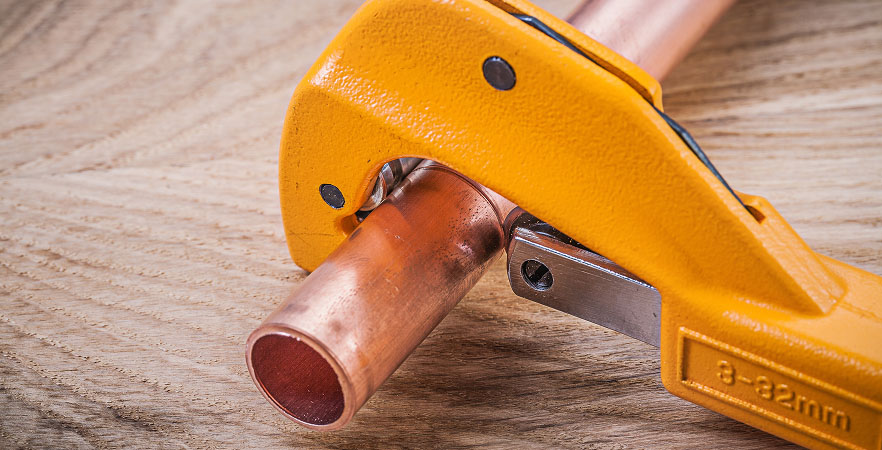
Copper pipe is rigid metal with a long track record. Type L copper has thicker walls than the thinner grades used in some construction. Copper cannot snake through wall cavities the way flexible tubing can, so it generally needs more openings to install.
A good repipe specialist in Houston should walk you through both and recommend the right option for your home, not whichever product is easiest to sell. Planet Houston Plumbing uses high-quality piping materials selected for durability and long-lasting performance.
Your plumber should also check the pressure regulator at the same time. A failing pressure-reducing valve lets incoming water pressure climb past the safe range in psi, which stresses new pipe just as much as old.

Most Houston homes sit on a concrete slab. When a supply line under that slab fails, breaking up the floor is not the only option.
Overhead rerouting abandons the failed under-slab line and runs a new line up a wall, through the attic, and back down to the fixture. Your flooring stays intact. Any future leak stays visible and reachable instead of buried under concrete.
A slab leak reroute overhead usually makes sense when:
Cutting the slab is still the better call in some homes, for example when attic access is blocked or when only one short run is involved. We explain the tradeoff before any work begins.
Here is the repipe process step by step:
Inspection. A licensed plumber identifies your pipe material, checks static water pressure at a hose bib, watches the water meter for movement with everything off, and runs a water pressure test where it helps. We use advanced plumbing inspection equipment for leak detection and pipe inspection so we are not guessing.
Scope and recommendation. We map the new pipe routes and explain the scope and our recommendation before work starts.
Protect the home. Floors and furniture get covered. We plan drywall access holes where they do the least damage and are easiest to close.
Install the new lines. New hot and cold runs go in, generally alongside the existing pipe, which keeps the shutoff during repipe as short as practical.
Connect everything. New angle stops, fixture connections, water heater connections, and outdoor hose bib connections. Replace old shutoff valve hardware as needed.
Pressure test. We test the new system before closing anything up.
City inspection. An inspector reviews the work under the local code.
Flush and finish. Flushing new lines clears debris, then we patch walls according to the scope you agreed to.
Your repipe timeline depends on the size of the home, the number of bathrooms, whether it is one story or two, and how easy the existing pipes are to reach. Those same factors drive the main repipe cost, along with the material you choose.
Ready to find out where your plumbing stands? Call (832) 898-4922 or request service online to schedule plumbing service with a licensed plumber near you.
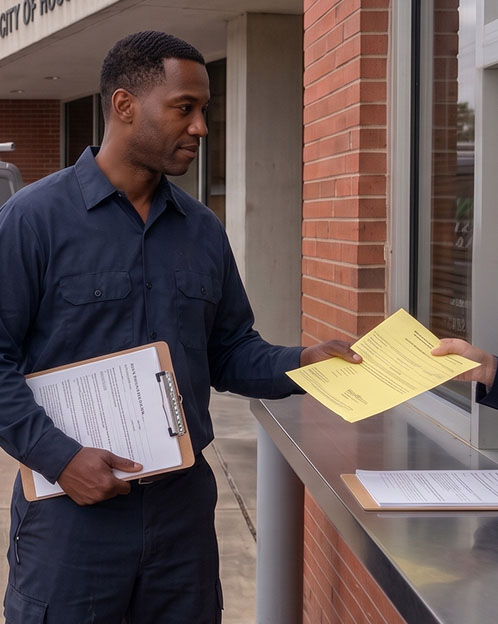
Repiping a house in Houston requires a permit. The Houston Permitting Center states that a master plumber registered with the City of Houston must obtain a plumbing permit, and that inspection is required. Permits are issued under the 2021 Uniform Plumbing Code with Houston Amendments, and Houston Public Works handles plumbing inspections.
That rule is useful to you as a homeowner. If a contractor cannot pull a permit in Houston, that tells you something important before you hand over a deposit.
Requirements differ outside city limits. Homes in Katy, Cypress, Sugar Land, Fulshear, and Richmond may fall under a different city, or under Harris County or Fort Bend County rules. We confirm what applies to your address.
Skipping the permit is a poor trade. Unpermitted plumbing work can create problems with an insurance claim and complications when you sell the home.
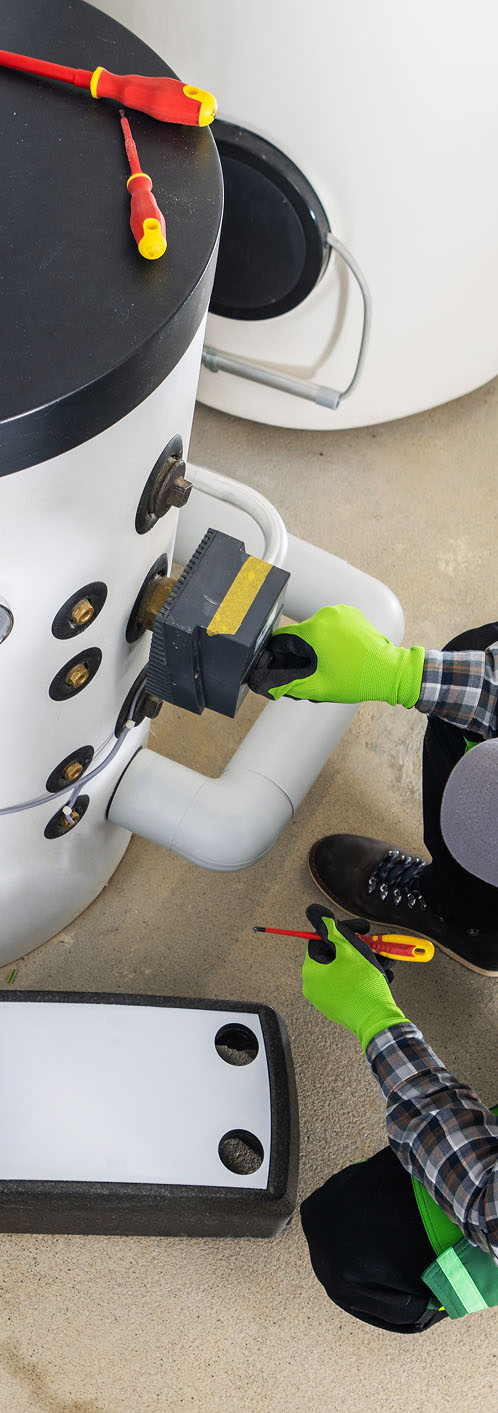
The Texas State Board of Plumbing Examiners licenses plumbers in Texas. Before you hire a repipe plumber, use the state board’s consumer guidance rather than judging the best repiping company from ads alone.
Confirm the company works under a Responsible Master Plumber. TSBPE requires any company that contracts plumbing work with the public to secure the services of at least one Responsible Master Plumber and keep a current certificate of insurance on file with the agency.
Ask whether your job needs a permit and inspection in your city.
Get the estimate in writing, detailed enough that you understand exactly what work is included and how the company expects to be paid.
Check that the written estimate and invoice show the RMP license number, along with the name, address, and telephone number of the Texas State Board of Plumbing Examiners.
Get more than one repipe quote. TSBPE does not regulate what plumbers charge.
Ask for references and actually call them.
Verify the master plumber license yourself through the TSBPE public license search. It is free and takes about a minute.
Planet Houston Plumbing operates under Responsible Master Plumber License 46295 and is licensed and regulated by the Texas State Board of Plumbing Examiners, P.O. Box 4200, Austin, TX 78765, (512) 936-5200.
Planet Houston Plumbing is a residential plumber serving Houston homes. We work on homes only. We do not take commercial or business plumbing work, so our crews spend every day on the same kind of systems you have in your house.

Licensed and experienced plumbers working under Responsible Master Plumber License 46295

More than 15 years of plumbing experience

5,000+ customers served

A 5.0 Google rating based on 87 reviews, displayed on our website

Advanced plumbing inspection equipment so problems get found before a wall is opened

High-quality parts and materials chosen for durability

Clear explanations and honest recommendations before work begins
You likely need a repipe when leaks return in more than one area, pressure is low throughout the home, or the water runs rusty. Pipe material matters too. Galvanized steel and polybutylene are the two materials that most often justify full replacement. A plumbing inspection confirms whether the problem is one section or the whole system.
It depends on the size of the home, the number of bathrooms, whether it’s one story or two, and how accessible the existing pipes are. Access is usually the biggest variable. Open attic runs move quickly. Lines buried behind finished walls or under a slab take longer. We give you a timeline for your specific home after the inspection.
Cost depends on square footage, the number of bathrooms and fixtures, one story versus two, whether the home is slab or pier-and-beam, how much wall access is needed, and whether you choose PEX or copper. Copper costs more in both material and labor. We provide a repipe estimate after inspecting your home. Get more than one quote before you commit.
In most cases, yes. Water is shut off during active installation, not for the entire project. New lines are typically run alongside the existing ones, which keeps the shutoff window shorter. Plan for drywall access holes, dust control, and crews moving through the house during working hours. We will tell you what to expect for your layout before we start.
Neither is universally better. PEX is flexible, needs fewer fittings, resists scale and corrosion, and generally installs with fewer wall openings. Copper is rigid, proven, and preferred by some homeowners, though it costs more and requires more access. The right answer depends on your home’s layout and how long you plan to stay. Ask any plumber to explain the reasoning, not just the price.
Usually not. A proactive plumbing system upgrade is generally treated as a home improvement, not a covered loss. Policies more often cover sudden water damage resulting from a pipe failure, subject to your terms. Coverage varies by carrier and policy, and some insurers treat polybutylene homes differently. Confirm the details directly with your insurer.
No. A whole-house repipe replaces only the fresh water supply lines. Drain lines and sewer lines carry wastewater and are a separate system with separate work. If you have slow drains, gurgling, or backups alongside your pressure problems, mention both when you call so we can inspect the right systems.
Yes. Plumbing work in the City of Houston requires a permit, and the Houston Permitting Center states that a master plumber registered with the city must obtain it. Inspection is required. Suburbs including Katy, Cypress, Sugar Land, Fulshear, and Richmond follow their own city, Harris County, or Fort Bend County requirements. We confirm what applies to your address.
Planet Houston Plumbing provides whole-house repiping in Houston, Texas, and nearby communities. Our residential repiping service and pipe replacement service cover:
Our office is at 24285 Katy Fwy, Katy, TX 77494. Business hours are Monday through Friday, 8:00 AM to 6:00 PM, and Saturday, 8:00 AM to 3:00 PM, with limited services on Sunday.
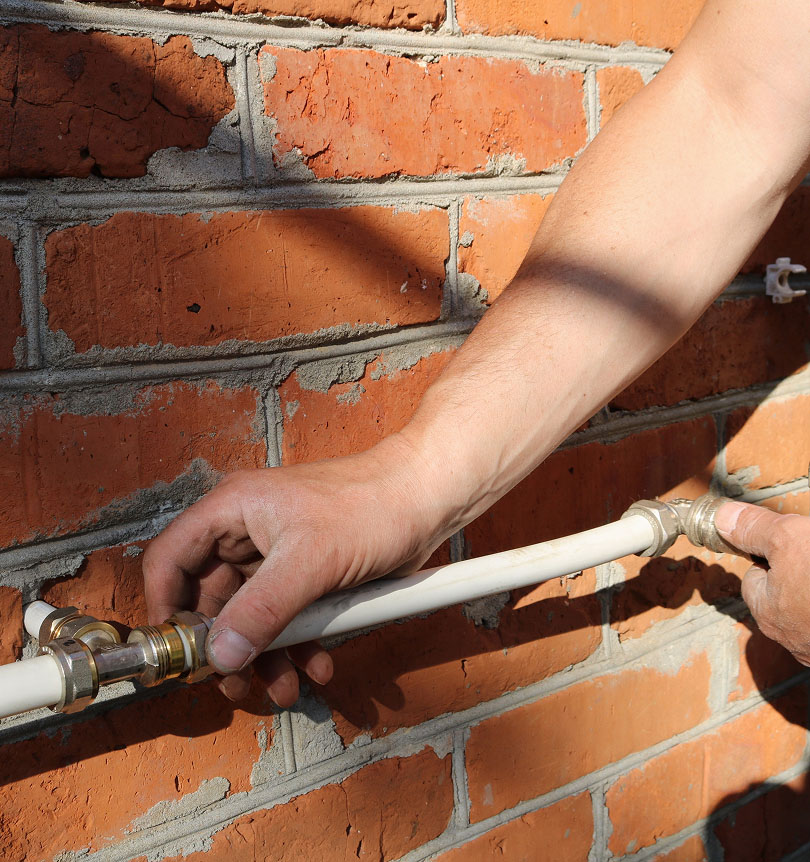
If your pipes keep leaking, your pressure keeps dropping, or you found gray plastic stamped PB2110 under the sink, the next step is an inspection.
Call (832) 898-4922, email info@planethoustonplumbing.com, or request service online. We will look at what you have, explain your options, and give you a straight recommendation.
Planet Houston Plumbing. Responsible Master Plumber License 46295. Licensed and regulated by the Texas State Board of Plumbing Examiners, P.O. Box 4200, Austin, TX 78765, (512) 936-52