
We handle everyday repairs and larger projects. Here is what we do.
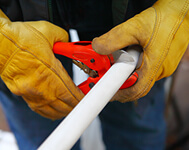

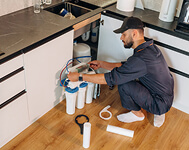

Gas work is not a place to guess. A small mistake can start a fire. Texas requires a licensed plumber for most gas piping work, and Fulshear inspects it.
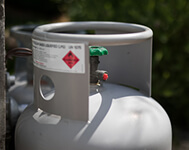
Planet Houston Plumbing installs, tests, and repairs residential gas systems in Fulshear. That includes natural gas line work inside the city and propane tank line work for homes outside the gas main.
Common gas jobs we do:
Call for gas leak detection if you notice any of these:
Natural gas has no smell on its own. Gas utilities add a chemical called mercaptan so you can smell a leak. That rotten egg odor is a safety feature, and it is worth trusting.
If you smell gas, leave the house immediately on foot, then call 911 and your gas utility from a safe distance. Do not stay inside to investigate. Do not try to find or fix the leak yourself.
Follow these steps:
CenterPoint Energy asks customers not to report leaks by email or online, and reminds people never to assume someone else already called.
Two different natural gas utilities serve Fulshear: CenterPoint Energy and SiEnergy. Most cities have only one. Yours depends on your neighborhood, so it is worth knowing before you need it.
According to the City of Fulshear resident guide:
SiEnergy also lists a 24-hour emergency line at 888-468-7007. Both companies are regulated in Texas by the Railroad Commission of Texas.
Take two minutes right now. Look at your gas bill, find the utility name, and put that number in your phone. In an emergency, you will not want to be searching for it.
Here is the part homeowners often get wrong. The utility is responsible for the line up to your gas meter. You are responsible for the gas piping past the meter. That means the lines running to your range, dryer, water heater, and outdoor kitchen are yours to maintain. The utility will make the area safe, but they will not repair your gas piping. That is our work.
A few things live at that dividing line. The service riser is the pipe coming up out of the ground to your meter. Many service lines also have an excess flow valve, a safety device that cuts gas flow sharply if the underground line breaks. Those belong to the utility. Everything downstream belongs to you.
One warning worth repeating: never attach a ground wire from a generator, solar equipment, or anything else to your gas meter or gas piping. CenterPoint Energy specifically warns against it because it can energize the piping. Grounding and bonding are done at the electrical service, not the gas meter.
Fulshear homes are built for the outdoors. Covered patios, summer kitchens, and pool decks are standard in the newer neighborhoods. Most of that equipment runs on gas.
We run new gas lines for:
Two things matter on these jobs. First is gas line sizing. Adding a generator or a pool heater to a line that was sized for a grill will starve your other appliances. Your water heater may stop keeping up, and nobody connects the two problems. We calculate the load before we run pipe.
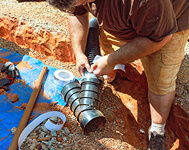
Second is safe digging. Texas law requires you to call Texas 811 before you dig, and SiEnergy notes that this applies to digging deeper than 16 inches. Call at least 48 hours ahead. It is free, and it keeps you from putting a shovel through a gas or water line. We handle this on our own jobs.
If your patio was built with a gas stub-out that was never connected, we can finish it. That capped pipe sticking out of the wall is a stub-out, and it is common in newer builds.
Not every home near Fulshear is on the gas main. Out toward the unincorporated county, homes often run on propane from a tank on the property.
Propane behaves differently than natural gas. It is heavier than air, so it settles low instead of rising. It runs at a different pressure and needs a different pressure regulator. Appliances are not always interchangeable between the two fuels.
We install and repair the piping from the tank to the house and the lines to your appliances. We do not fill tanks. That is your propane supplier’s job.
Ready to get gas work scheduled? Call (832) 898-4922 or request a plumbing quote .
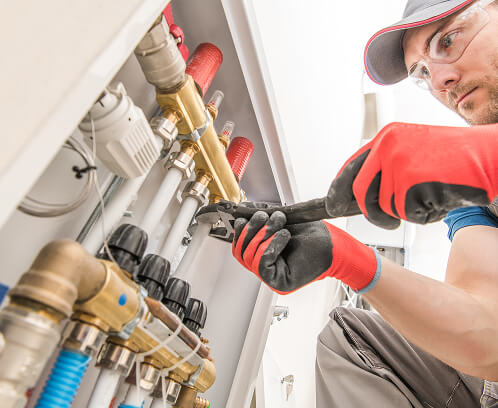
Most plumbing advice you read online was written about old houses. Corroded pipes, cast iron sewers, homes from the 1950s. That advice does not fit here.
Fulshear was the second fastest-growing city in the United States between mid-2024 and mid-2025, growing about 21 percent in a single year, according to the U.S. Census Bureau. Almost every house is new. New homes have their own set of problems, and they are not the ones most people expect.
Walk into a Fulshear attic, and you will often find yellow flexible tubing instead of rigid pipe. That is CSST, short for corrugated stainless steel tubing. The International Code Council estimates it is used in more than half of homes built today.
CSST is a good material. It installs faster than black iron pipe and uses fewer fittings, which means fewer places to leak. But it has thin walls and one important requirement.
CSST must be bonded to your home’s electrical grounding system. A nearby lightning strike can push voltage onto the gas line. If the tubing is not bonded, that energy can arc through the thin wall and burn a pinhole. A pinhole in a gas line is exactly as bad as it sounds.
The International Fuel Gas Code requires this bonding. It is done with a bonding jumper, usually 6 AWG copper wire, connecting the gas piping to the home’s grounding electrode system. The national standard behind it, NFPA 54, sets the same expectation.
The City of Fulshear currently enforces the 2015 International Codes, along with the 2014 National Electrical Code and the 2015 International Energy Conservation Code. That family of codes includes the fuel gas rules above, plus the International Plumbing Code and the International Residential Code that govern the rest of the work in your house. If a plumber cannot tell you which code your city follows, that is worth noticing.
This matters on the Gulf Coast, where thunderstorms are frequent. If you are not sure whether your CSST was bonded, it is worth having checked. We look at it during any gas line inspection.
New water mains often deliver higher pressure than older systems. Strong pressure feels great in the shower. It is hard on everything else.
High pressure shortens the life of supply lines, toilet fill valves, washing machine hoses, and your water heater. It can quietly cause an expensive failure years later.
The fix is usually a pressure-reducing valve on the incoming main water line. Many newer homes have one, but it wears out, often around the eight- to twelve-year mark. If your fixtures are failing early or you hear banging in the walls, ask us to check the pressure.
A related item is the thermal expansion tank near your water heater. When water heats, it expands. If your system has a closed valve or a backflow preventer, that expanding water has nowhere to go and pressure spikes. The small tank absorbs it. These fail quietly, and a failed one puts steady strain on your water heater.
While we are at it, find your main shut-off valve and make sure it turns. In most Fulshear homes, it is near the front of the house or at the meter box. Knowing where it is turns a flood into a puddle.
Water in this part of Texas is generally hard. Groundwater across the region draws from the Gulf Coast Aquifer, which picks up dissolved calcium and magnesium as it moves through rock and soil.
Hard water is safe to drink. The Texas Commission on Environmental Quality regulates public water systems in Texas, and the City of Fulshear Utilities Department serves more than 8,000 water accounts. Hardness is a nuisance issue, not a health issue.
It is still hard on equipment. Scale builds up inside water heaters, shortens the life of tankless units, clogs aerators and showerheads, and leaves spots on glassware. Signs of hard water include soap that will not lather, crusty white buildup at faucets, and a water heater that gets noisy over time.
A water softener or broader water treatment system can address it. Tankless owners especially should ask about this, since scale is the main thing that kills those units early.
Fort Bend County has clay-heavy soil that swells when wet and shrinks when dry. Our long dry summers followed by heavy rain make that foundation movement worse.
Every slab foundation shifts somewhat in its early years. Usually it is harmless. Sometimes it stresses a drain line or a water supply line cast into the slab and causes a slab leak.
Watch for these:
Catching a slab leak early is far cheaper than catching it late. We use leak detection equipment to locate it without tearing up your whole floor.
Builders buy in volume, and volume means basic parts. Fill valves, angle stops, flex connectors, and disposals in a five- to ten-year-old house are often at the end of their useful life at the same time.
You may notice a running toilet, a dripping faucet, and a noisy garbage disposal in the same season. That is not bad luck. Those parts were installed the same week, and they wear out on a similar schedule.
These small leaks add up. The U.S. Environmental Protection Agency’s WaterSense program reports that the average household wastes more than 9,300 gallons a year to leaks, and that household leaks nationwide waste close to a trillion gallons annually.
Here is a free test you can run in ten minutes. Put a few drops of food coloring in your toilet tank, wait ten minutes, and do not flush. If color shows up in the bowl, the flapper is leaking. WaterSense suggests replacing toilet flappers about every five years. It is a cheap part and an easy win.

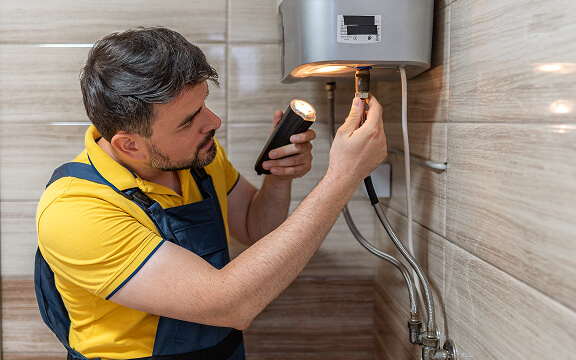
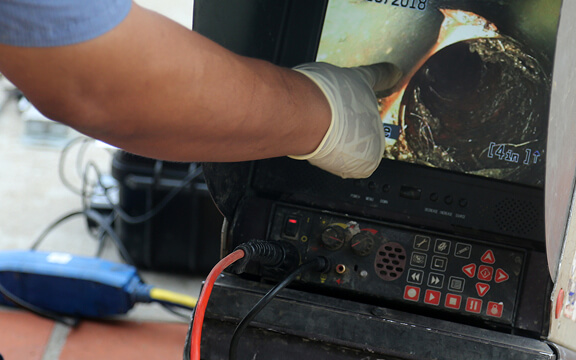
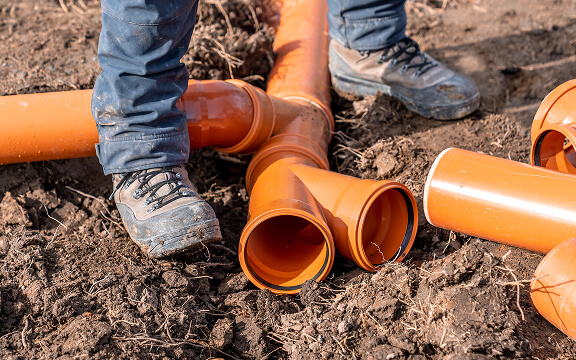
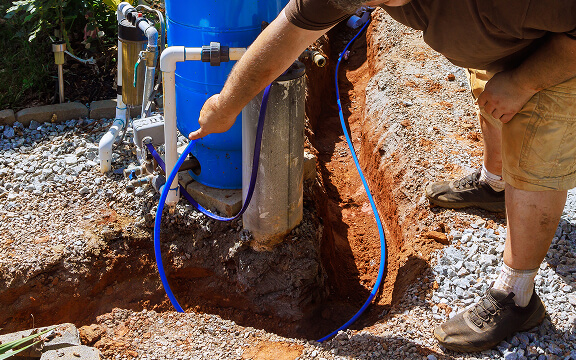

We repair gas piping when a section is damaged. When a system fails a gas pressure test in multiple places or was installed poorly, replacing the run is safer than patching it.
We will tell you when repair is the right call. Replacing something that has years left in it is not a favor to you.

Responsible Master Plumber license 46295, through the Texas State Board of Plumbing Examiners. You can verify any Texas plumber's license on the TSBPE website, and we would rather you did.

We don't split our attention between homes and commercial buildings.

Our shop is at 24285 Katy Fwy in Katy, a short drive from Fulshear.

As of this writing, our Google rating is 5.0 across 87 reviews.

More than 15 years in the trade and over 5,000 customers served.

Cameras, leak detection tools, and pressure testing gear, so we find the actual problem instead of guessing.

Clear pricing before work starts. You approve the price first.
Cost depends on the job. A simple faucet repair and a sewer line replacement are not in the same range, and any company quoting a firm price without seeing the job is guessing. We diagnose the problem first, then give you a plumbing estimate before any work begins. The Texas State Board of Plumbing Examiners recommends getting estimates in writing and comparing more than one.
Gas line work inside the City of Fulshear requires the applicable permit and inspection. We handle the permit and inspection process for the work we perform. Requirements can differ outside the city limits, so we check the jurisdiction for your address.
Leave the house immediately on foot, then call 911 and your gas utility from a safe distance. Do not investigate the leak, operate electrical switches, or start a car near the house. Fulshear is served by CenterPoint Energy and SiEnergy; check your gas bill for your provider. Call us for the piping repair after emergency responders have made the area safe.
Water heater life depends on age, water quality, maintenance, and installation. A leaking tank, repeated failures, or a unit nearing the end of its service life is a reason to discuss replacement. We inspect the heater and explain whether repair or replacement makes sense.
Yes. We install outdoor gas lines for kitchens, grills, fire pits, pool heaters, and standby generators. We calculate the appliance load and line size, arrange utility locates before digging, and pressure-test the piping.
Yes. We install and repair residential propane lines from the tank to the house and connect propane appliances. We check the required line size and pressure for the equipment.
Check your builder warranty documents and contact the builder before arranging work. Coverage and deadlines depend on your agreement and the cause of the problem. We can inspect and document plumbing concerns so you have clear information.
Use the public license search on the Texas State Board of Plumbing Examiners website. Planet Houston Plumbing operates under Responsible Master Plumber License 46295.
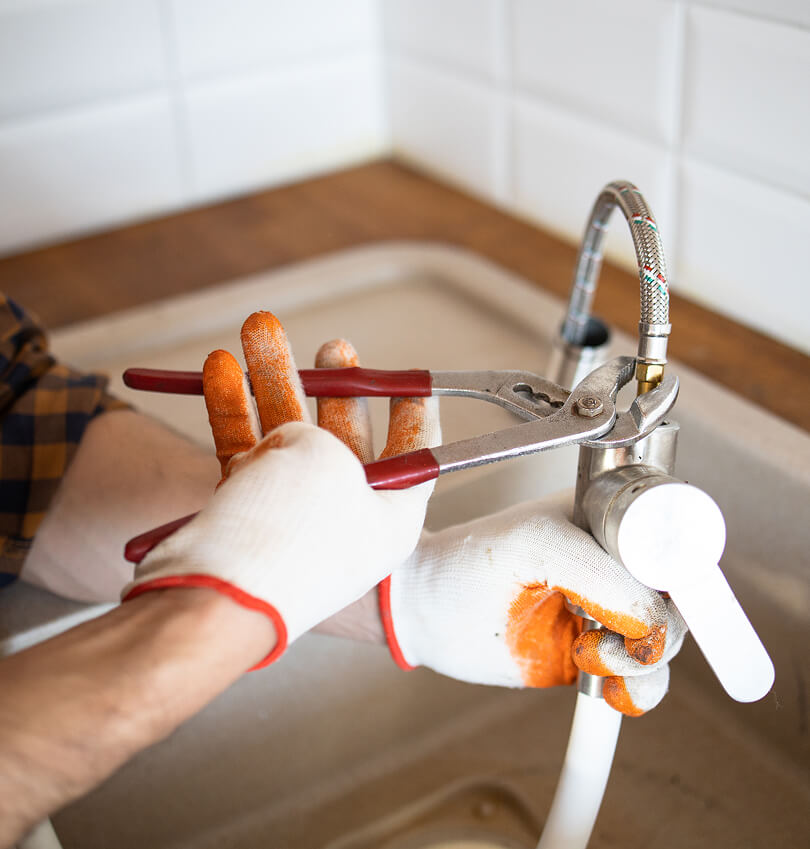
From slow drains and water heater repairs to outdoor kitchen gas lines, Planet Houston Plumbing is ready to help homeowners in Fulshear and nearby communities.
Call (832) 898-4922, schedule service online, or email info@planethoustonplumbing.com.
Planet Houston Plumbing
24285 Katy Fwy, Katy, TX 77494
Responsible Master Plumber License #46295. Regulated by the Texas State Board of Plumbing Examiners, P.O. Box 4200, Austin, TX 78765, (512) 936-5200.
Gas Emergency: If you smell gas, leave immediately and call 911 and your gas utility before contacting us for repairs.